














Hein Braat, mantras that open doors
At shanting (singing)mantra, all tones are being used to create an integral sound that connects everything with each other. And that makes it an holistic art, because the upper and lower self, body and soul, the temporal and the eternal connects. Hein Braat's own definition of a mantra, is pointing sound to a specific door to open it. A door to higher consciousness. That may sound simple at the first glance, but as with all the arts, it's a matter of technique. Hein Braat webshop
 Hein Braat news
At this website you can find information about the released cd’s, concerts, workshops and background information about the wonderful impact of mantras.
 Hein Braat biography
Hein Braat has studied mantras and the impact of sound for more than twenty years. Throughout this time he developed his own unique sound and vision.
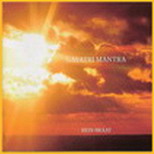 Hein Braat discografie
Hein Braat has released five cd's. Here you can listen to samples and learn more about the backgound of mantras.
Read more...
 Hein Braat about Mantra
Mantras have a profound effect on the body, mind and soul. Modern science starts to (re)discover more and more secrets of this ancient recitation art.
Read more...
 Hein Braat concert tour
Hein Braat performs regularly in the Netherlands.The program can be found here.
Read more...
 Hein Braat contact and webshop
Questions or reactions? Feel free to contact us.
Would you like to buy a cd of the beautiful mantras? In the webshop you can find the complete range of Hein Braat's cd's.
Read more...